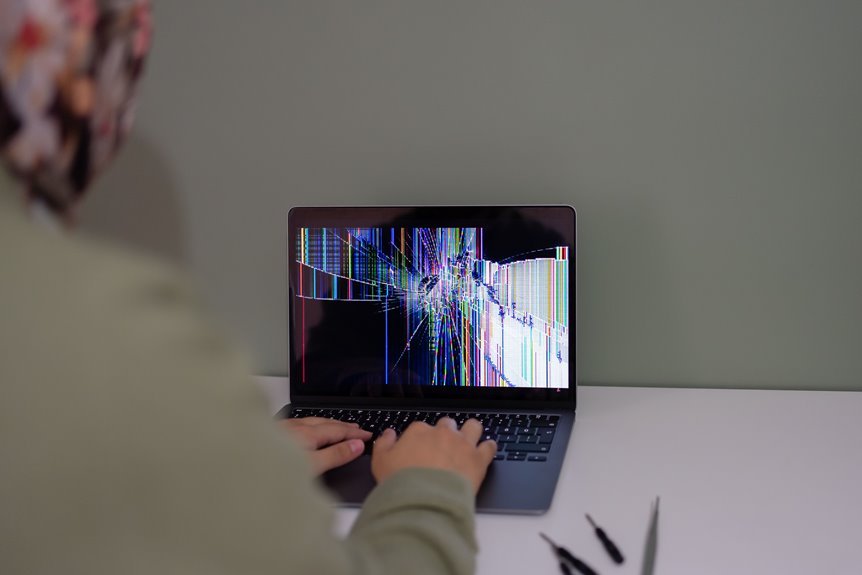
Effective troubleshooting around 501-355-5406 should begin with precise problem framing and baseline data. Document symptoms, timing, and impact in clear terms. Collect objective metrics and repeatable checks to distinguish normal variation from failure. Form plausible, testable hypotheses and validate them with controlled checks. Implement fixes in a disciplined sequence, then review results to prevent recurrence, maintaining accountability and reproducibility. The approach invites a disciplined next step that keeps the process moving forward.
Identify the Exact Problem With 501-355-5406 in Mind
To identify the exact problem associated with 501-355-5406, one must gather precise evidence of the symptoms and context. The process remains objective and deliberate: identify problem, assess patterns, and classify anomalies. Gather signals from observable behavior, timing, and impact. Clear documentation guides next steps, enabling informed decisions while preserving autonomy and freedom in troubleshooting.
Gather the Right Data and Signals to Troubleshoot Efficiently
Gather the right data and signals by defining what constitutes a complete failure and what parameters indicate normal operation. The approach favors objective metrics, repeatable checks, and observable trends. Collected information should support decision-making without bias. Clear communication and structured data enable rapid comparison, trend spotting, and consistent diagnostics, ensuring actions remain focused and evidence-based throughout the troubleshooting process.
Form and Test Practical Hypotheses Before Acting
Forming plausible, testable hypotheses is a deliberate step that anchors troubleshooting in evidence rather than assumption. The process emphasizes impartial assessment and disciplined reasoning, guiding investigators to propose explanations that fit observed data.
Hypothesis testing then evaluates these claims through minimal, controlled checks, reducing bias.
Clear documentation ensures reproducibility, enabling efficient refinement of explanations before action.
Implement Fixes and Review Outcomes to Prevent Recurrence
Effective fixes are implemented in a structured sequence, followed by a rigorous review of results to ensure the problem does not recur. The approach emphasizes disciplined execution and accountability, with feedback loops guiding adjustments. Emphasis on problem framing clarifies scope, while data signals provide objective indicators of success or failure, enabling timely course corrections to prevent recurrence.
Frequently Asked Questions
What Are Common Misdiagnoses for 501-355-5406 Issues?
Common misdiagnoses for 501-355-5406 issues involve misidentifying issues and misinterpreting symptoms; the approach emphasizes objective verification, rule-based checks, and documented evidence, reducing assumptions and guiding methodical evaluation toward accurate problem framing and resolution.
How to Escalate When Data Is Inconclusive?
Escalation cues should be triggered when data inconclusiveness persists; the process proceeds with documented steps, supervisor notification, and predefined thresholds. Anticipated objection about delays is addressed: structured escalation preserves autonomy while ensuring accountability and timely resolution.
Which Tools Best Verify a Suspected Root Cause?
The best tools for verify a suspected root cause are diagnostic utilities and instrumentation that enable robust root cause testing; they provide evidence, repeatable steps, and measurable results, ensuring precise verification and transparent, auditable conclusions for stakeholders seeking freedom.
How to Document Steps for Future Troubleshooting?
Like a compass guiding a ship, the review adds structure: document steps clearly, cite tools used, record timestamps, and capture outcomes for each attempt. Documentation practices ensure future proofing notes and repeatable troubleshooting across teams.
What Safety Precautions Apply During Fixes?
Safety protocols require proper PPE usage, adherence to training requirements, and prompt incident reporting; during fixes, precautions are observed, documented, and reviewed to minimize risk, while enabling informed, independent work with disciplined, freedom-respecting safeguards.
Conclusion
Despite the flawless procedure, the problem stubbornly remains invisible, like a ghost with perfect logs. The team dutifully documents symptoms, gathers signals, and tests hypotheses, only to confirm what everyone already suspects: the data says one thing, reality says another. Yet the process continues, honors the routine, and the recurrence is politely prevented—by meticulous notes and relentless checks. In short, troubleshooting success is achieved by documenting everything except the mysterious cause itself. Ironically, certainty arrives exactly when it’s least needed.