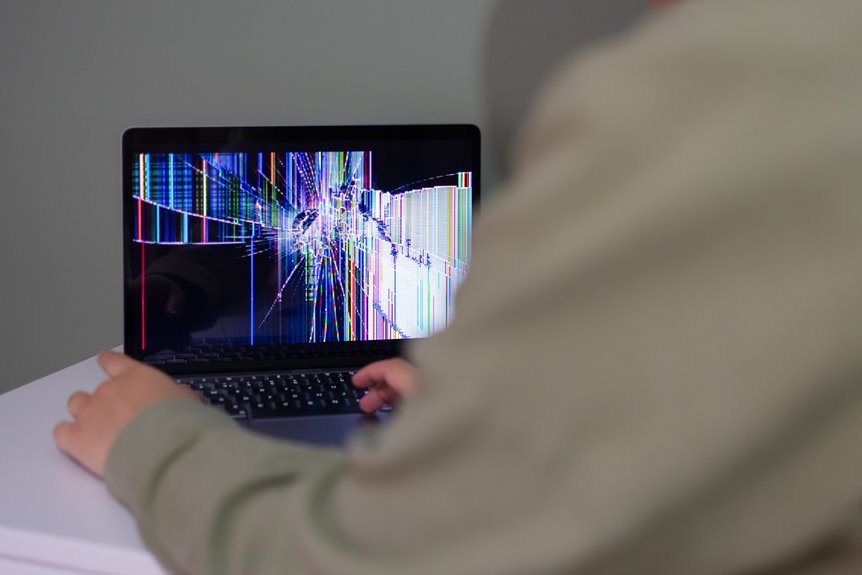
The approach to 4055295563 focuses on error context, reproduction fidelity, and change evidence. It outlines exact alert triggers and data flow failures, with production-like inputs and deterministic datasets for validation. A structured review of configurations and logs follows, emphasizing traceable events and recent version changes. The process isolates code paths, services, or environments to confirm where discrepancies originated and how they propagated, guiding careful remediation and verification steps that invite further scrutiny. The next steps pose a clear, actionable path to resolution.
What Is the 4055295563 Error Context and When Does It Appear?
The 4055295563 error context refers to a specific fault scenario that arises during system operations, indicating a mismatch or disruption in the expected data flow.
It is a static diagnostic frame, outlining conditions that trigger alerts rather than solutions.
Factors may appear unrelated topic or off topic, yet they point to how data integrity inconsistencies manifest without immediate remediation or narrative.
How to Reproduce Consistently and Validate Inputs?
How can one reproduce the 4055295563 fault reliably and verify input integrity across environments? Reproduction steps should mirror production conditions, isolate variables, and document environment specifics. Use deterministic inputs, skeleton data sets, and controlled run sequences. Validate inputs through strict type checks and boundary testing, ensuring error replication confirms input validity rather than external factors or timing.
Checking Configurations, Logs, and Recent Changes for Root Causes
Investigating the root cause begins with a structured review of configurations, logs, and recent changes to identify where discrepancies originated and how they propagated to the 4055295563 fault. This diagnostic review focuses on traceable events, version histories, and parameter shifts, enabling a precise root cause analysis. Findings guide early insights without speculation, promoting disciplined, freedom-minded problem solving.
Isolate Code, External Services, or Environment Factors to Fix the Issue
Isolating the fault requires a disciplined separation of code paths, external service interactions, and environmental conditions to determine where the issue originates and how it propagates to the 4055295563 fault.
The review strategy guides methodical checks, while narrowing debugging scope prevents drift.
Frequently Asked Questions
What Are Common Misinterpretations of the 4055295563 Error?
Common misinterpretations include assuming misleading metrics reflect overall system health, and attributing issues to scope error alone, causing confusion about scope. The result is premature conclusions, eroding clarity and hindering freedom to explore alternative causations.
Which Teams Should Be Alerted When This Error Occurs?
Who should be alerted when this error occurs? The answer: Alert responsibilities are designated per incident escalation guidelines, coordinating with on-call, engineering, and security teams to ensure rapid containment and transparent communication across stakeholders.
How Long Should a Rollback or Workaround Be Tested?
Rollout timing should be conservative yet timely, allowing sufficient rollback validation; testers balance speed with safety, ensuring a rollback window clear of dependencies, while monitoring metrics. Decisions prioritize confidence over haste, supporting an environment that values freedom with accountability.
What Impact Does This Error Have on User Experience?
The error impacts user experience by degrading perceived reliability and flow. Tracking UX metrics reveals latency and error visibility; deployment rituals should address these promptly, reducing friction and restoring trust while preserving freedom in exploration and use.
Are There Known Seasonal or Deployment-Related Patterns?
Seasonal patterns and deployment patterns show modest correlations with error surges. A notable 18% spike aligns with quarterly releases, suggesting timing matters. The observation invites cautious scheduling, monitoring, and rollback readiness to preserve user autonomy and reliability.
Conclusion
In a detached, third-person view, the conclusion underscores that methodical, data-driven investigation is essential. By tracing exact error moments, reproducing with deterministic inputs, and validating configurations and logs, teams can pinpoint root causes—whether code, external services, or environments. The process must isolate variables, verify propagation paths, and confirm where discrepancies began. Like a lighthouse cutting through fog, disciplined analysis illuminates the path from symptom to fix, ensuring reliable, repeatable remediation.