The number 267-954-2897 presents credibility and risk concerns typical of unknown callers. Impersonation, vague urgency, and pressure to reveal data are common patterns, demanding careful verification and documentation. Effective responses blend verification through official channels, noncommittal questions, and precise record-keeping to spot recurring schemes. Structured spam management—blocking, screening, and clear reporting—balances safety with access. A disciplined privacy framework and prompt incident guidance can reduce exposure, yet gaps may remain, inviting thoughtful scrutiny.
What Is the Risk Profile of 267-954-2897 and How Scams Can Manifest
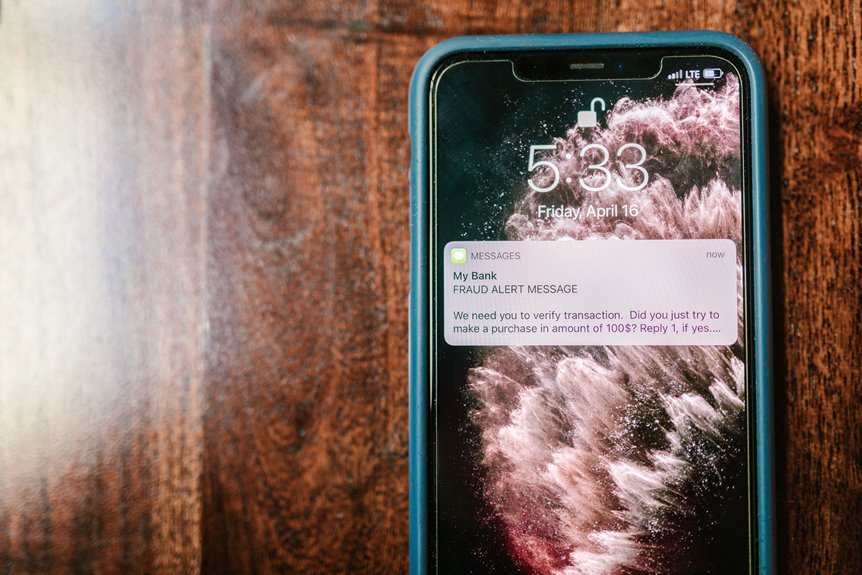
The risk profile of 267-954-2897 centers on patterns commonly associated with scam activity and impersonation, including sudden urgency, vague or unverifiable claims, and pressure to disclose personal or financial information.
This risk assessment identifies scam indicators while maintaining a disciplined, analytical lens.
For freedom-minded readers, awareness equips proactive defense and informed decision-making without surrendering autonomy.
How to Verify Caller Identity and Separate Legitimate From Suspicious Calls
Appearing patterns identified in the previous discussion—such as urgency cues, vague claims, and requests for personal information—underscore the need to verify caller identity before engaging. A disciplined approach enables individuals to protect autonomy while reducing risk.
Techniques include noncommittal questioning, cross-checking official channels, and documenting details to verify caller and detect authenticity, fostering safer, more informed interactions.
Practical Steps for Managing Spam: Blocking, Screening, and Reporting
Practical steps for managing spam involve a structured approach to blocking, screening, and reporting that prioritizes user safety without sacrificing accessibility.
The analysis notes effective block spam strategies, disciplined call screening, and careful reporting workflows, enabling verify identity and distinguish legitimacy while reducing nuisance.
This approach supports privacy and threat prevention, empowering users to maintain autonomy without compromising security or freedom.
Safety Best Practices to Protect Privacy and Avoid Future Threats
To protect privacy and fend off evolving threats, a proactive, evidence-based approach emphasizes habits, technologies, and behaviors that reduce exposure while preserving usability.
Organizations implement privacy safeguards and continuous threat prevention by minimizing data collection, applying least-privilege access, encrypting communications, and auditing systems.
Transparent policies, user education, and rapid incident response reinforce autonomy, resilience, and trust without compromising freedom.
Frequently Asked Questions
Can a Legitimate Caller Still Be Falsely Flagged as Risky?
Yes, a legitimate caller can be falsely flagged due to residual signals; attention to caller id false positives and false positive risk supports risk flag fairness, while transparent reviews help minimize legitimate caller misclassification with empathetic, proactive safeguards.
How Often Do Numbers Change and Evade Spam Filters?
Numbers change frequently and spam filter evasion evolves as tech adapts; no fixed rate exists. The pattern involves tactics like spoofing or number rotation, requiring ongoing monitoring, flexible rules, and proactive validation to preserve trust and freedom from undue blocks.
Do Scams Differ by Country or Region for This Number?
Yes, scams for this number show regional differences and scam geography influence techniques; patterns vary by country, regulatory environments, and language. The analysis emphasizes proactive scrutiny and empathetic guidance for audiences seeking freedom from fraud.
What Legal Steps Exist to Challenge Misidentified Numbers?
The question: legal steps exist to challenge misidentified numbers? Yes. Misidentification processes involve verified contact records, complaint filings, and potential mediation; legal remedies may include misuse claims and data protection actions, aimed at restoring accuracy and safeguarding freedom.
Which Apps Provide the Strongest Privacy Protections Today?
Strongest privacy protections today come from well-regarded, transparent apps with robust data minimization, end-to-end encryption, and regular audits; these measures bolster app reputation while empowering users to control personal information and minimize tracking.
Conclusion
The theory that this number masks a larger fraud network is investigated with disciplined skepticism: patterns of impersonation, urgency, and data requests emerge consistently, yet no single signal guarantees deceit. A cautious, methodical approach—verify via official channels, document interactions, and separate legitimate from suspicious calls—reduces risk without undermining legitimate contact. By combining blocking, screening, and transparent reporting, users gain control, preserve privacy, and deter repeat offenses, fostering safer communication ecosystems and informed decision-making.